Creative Piece Non-textual
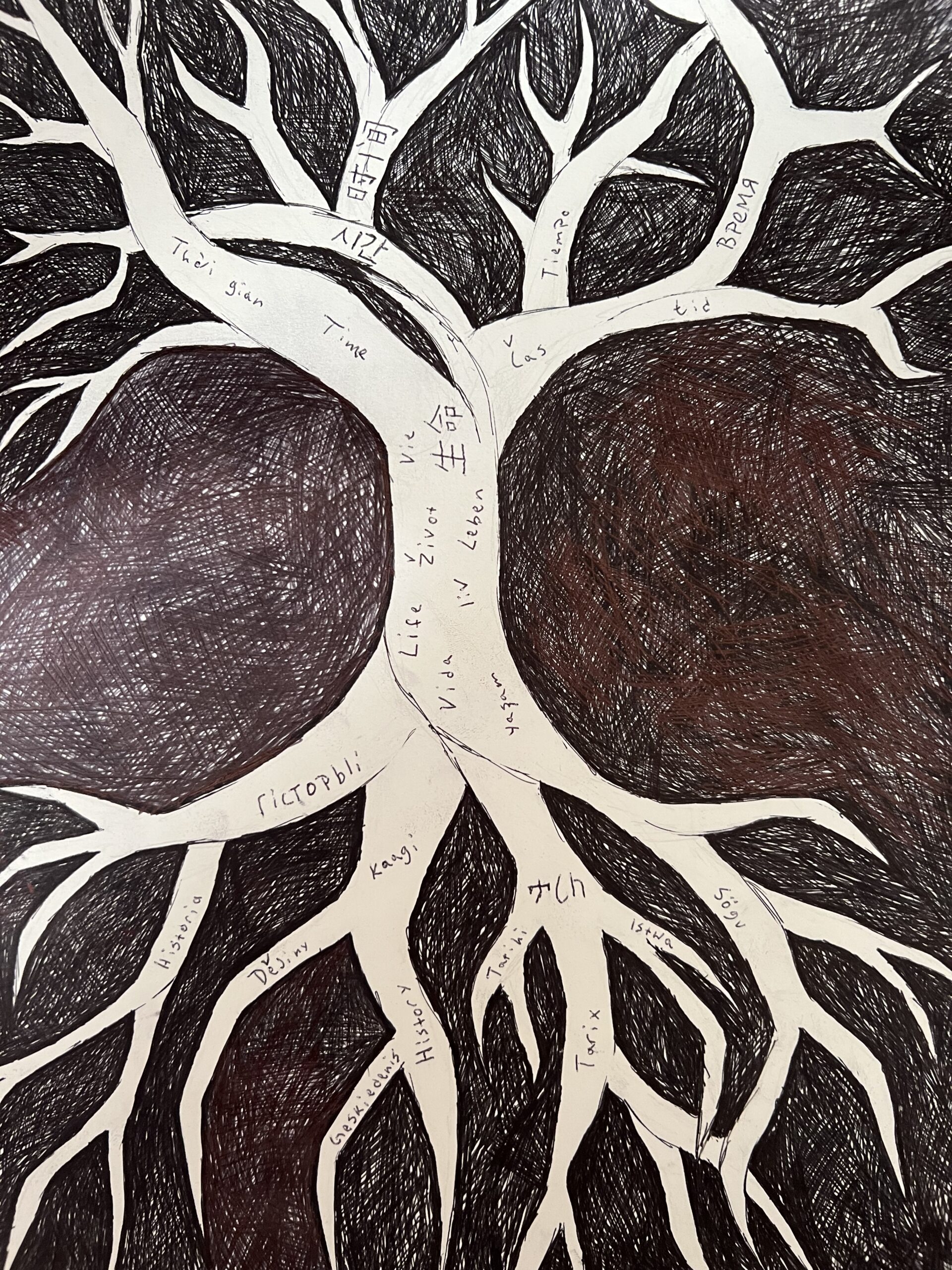
The image I illustrated above emphasizes the diversity within life. The tree itself represents life, and the roots represent history, as life and the ways in which we act as a society are inspired by history. I used numerous languages on all parts of the tree to emphasize the diversity and multiple views necessary to assess history and interpret life. The reason I felt this piece fits in my portfolio so well is because everything I included in this art are all things that I think of as natural. Specifically the integration of language and history. These two concepts are vital to my portfolio as the development of AI may redefine how we think of thins like language or history. Overall this piece is questioning how these notions will change and evolve as AI and technology only become more prevalent in our lives
Creative Piece Textual
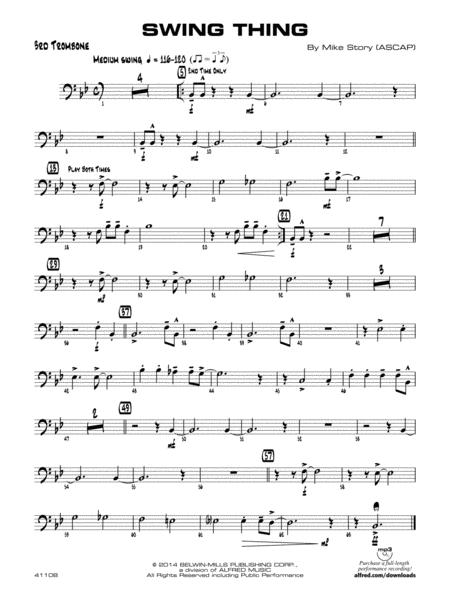
A text that I feel represents my experience and takeaways from the Humes class is this piece written by Michael Story and performed by Wycliffe Gordon. What’s so unique about this piece is its unorthodox performance. At the song’s beginning, Gordon actually sings not words but articulations that correlate with the trumpet section. This piece perfectly demonstrates the notions we reviewed in week six when we discussed dadaism. His new interpretation enhances the work in a way I have never heard before. This piece emphasizes the importance of new interpretations, so I felt it should be included in this portfolio. Additionally in relation to my collaborative piece below, unorthodox music like this makes me question if AI will ever be able to create something like this? What I find so awe inspiring about this music is its originality. AI is programmed to uses acquired data so it currently does not have the capability do create new ideas and interpretations of sounds and rather only ones that already exist. This piece to me represents the part of humanity (collaboration and connection) that AI will hopefully never be able to take away from us.
Creative Piece Textual Spring

In humanities it is only logical for our center of discussion to revolve around human relationships, human art, human history, and the human future. But after thinking about life beyond earth I began to imagine a future for humanity that may not just contain humans but rather extraterrestrial species as well. After reading an article from this year titled “A deep-learning search for technosignatures from 820 nearby stars” I began to learn how humanity is currently reaching for the stars. The specific search for extraterrestrial life this article addresses is called SETI (search for extraterrestrial intelligence). The the way in which this search functions is very interesting as it currently relies on radio astronomers to decipher “technosignatures.” These technosignatures would indicate life outside of earth capable of harnessing technology hence indicating the potential existence of extraterrestrial life. But what if AI could tackle this task instead of radio astronomers?
Recently Peter Ma, a University of Toronto student, developed an algorithm that depends on Artificial Intelligence to decipher these techno signals as either radio interferences or true indications of extraterrestrial life. This is significant in humanity’s search for extraterrestrial life because sifting through technosignatures is similar to sifting through a haystack in search of a needle. In other words because of the sheer amount of data that radio telescopes produce its a tedious task for a human subject to sift through all these signals and separate the real technosignatures from the “false positives.” This is additionally difficult as false positives are a common occurrence due to society’s use of WiFi, satellites cell phones etc. This is where AI is handy because of its ability to sift through this data at incredible speeds.
For the artificial intelligence to be able to carry out this action Ma first had to train the AI algorithm called the autoencoder to process this data and find vital information within the data. But once Ma was able to train the algorithm its efficiency was rather startling. To give an idea of just how efficient this algorithm is, Ma fed the algorithm 150 terabytes of data from a radio telescope in Virginia which equates to 480 observing hours. It was able to emerge thousands of “signals of interest” of which the astronomers were able to go back and review. After reviewing thousands of signals of interest the astronomers were left with eight signals that couldn’t have been radio interference but rather legitimate technosignatures. Though it’s amazing now that this algorithm is able to save radio astronomers several hundreds of hours, as AI becomes more advanced in the future it will only improve and allow things like attempted contact with extraterrestrial life to be carried out more efficiently.
Upon reading this article and learning about the SETI project I couldn’t help but think back to the novel I read earlier this year in our unit about the aesthetics of the future titled Binti. The novel is set in the future and focuses on advanced technology and an alien species that slaughters a whole transportation ship full of students. After reading this novel I was left with many things and a new fear regarding extraterrestrial life was one of them. It makes me question why we feel the need to come into contact or even know about life on other planets when there are so many potential risks that come along with this contact. This year we also discussed colonization and the barbaric ways in which Europeans took land from indigenous people. Why wouldn’t an alien species do the same to us? It makes me question the morale of doing something that could potentially harm or impact a planet of people just to know if aliens exist or not. However my newfound fear of aliens thanks to Humes is not the only reason why I selected this piece for my portfolio.
Overall I feel that this whole project is highly representative of what humanity is doing currently with artificial intelligence as a whole. We are developing and building something that we don’t understand, we can’t comprehend, and we can’t trust. I felt that this SETI project parallels well with projects centered around developing AI. Though the potential rewards of carrying out these actions could be high, what about the risks? This algorithm could potentially be manipulated to solve certain issues like ones mentioned in week 19 when we discussed the outsource workers in third world countries being paid three dollars an hour to sift through traumatizing content so we don’t have to consume that on our social media feeds. But on the other hand this algorithm could be manipulated to do the opposite and spread incredibly dangerous and misleading content. Similar to trying to make contact with extraterrestrial life, though collaborating with extraterrestrial life could enhance our future it could also end it. So is it really worth it?
Works Cited
Ma, P.X., Ng, C., Rizk, L. et al. A deep-learning search for technosignatures from 820 nearby stars. Nat Astron 7, 492–502 (2023). https://doi.org/10.1038/s41550-022-01872-z
Price, Danny. “AI is Helping Us Search for Intelligent Alike Life—and We’ve Found 8 Strange New Signals.” The Conversation, January 30, 2023.
Creative Piece Non-textual Spring
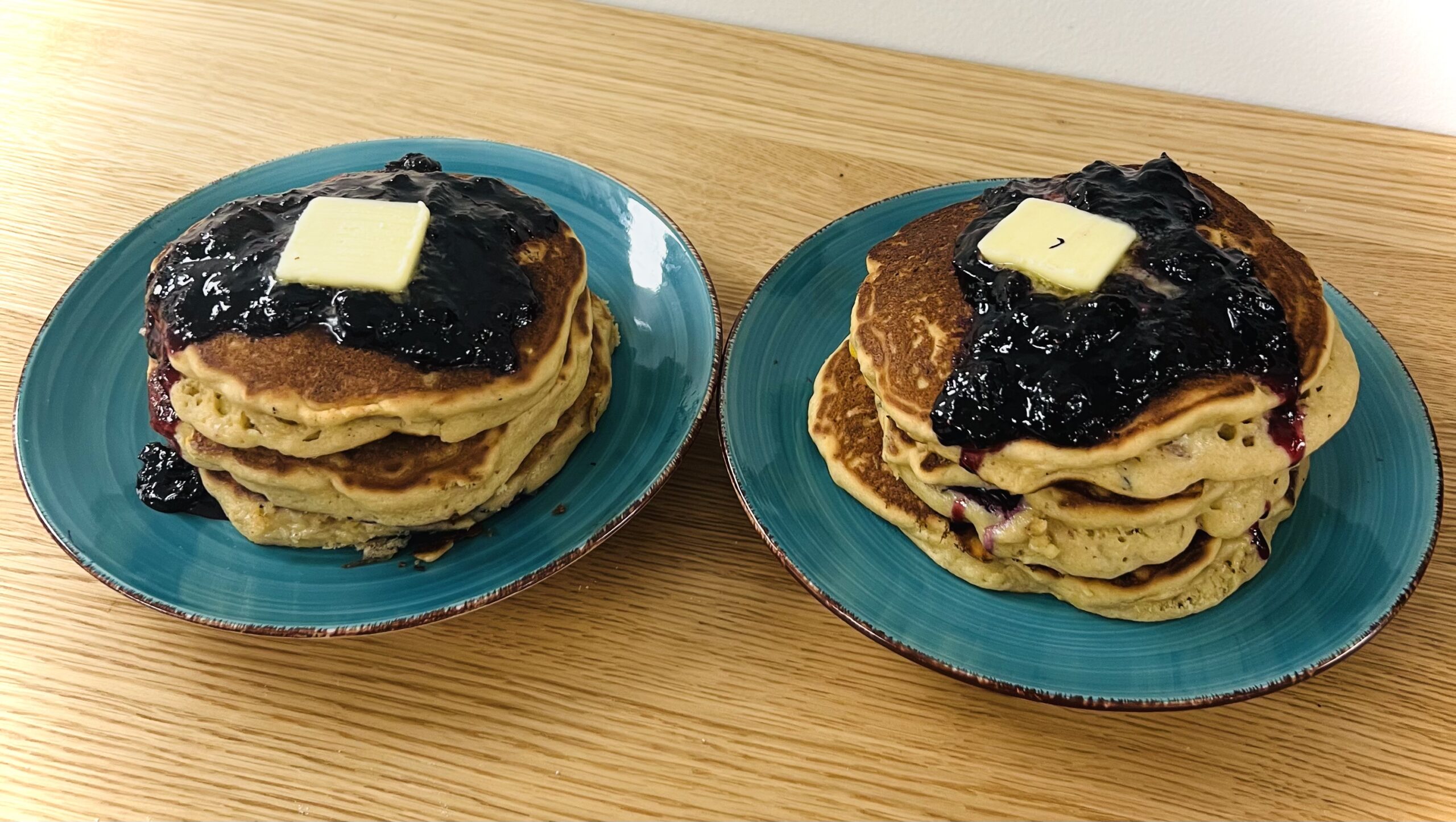
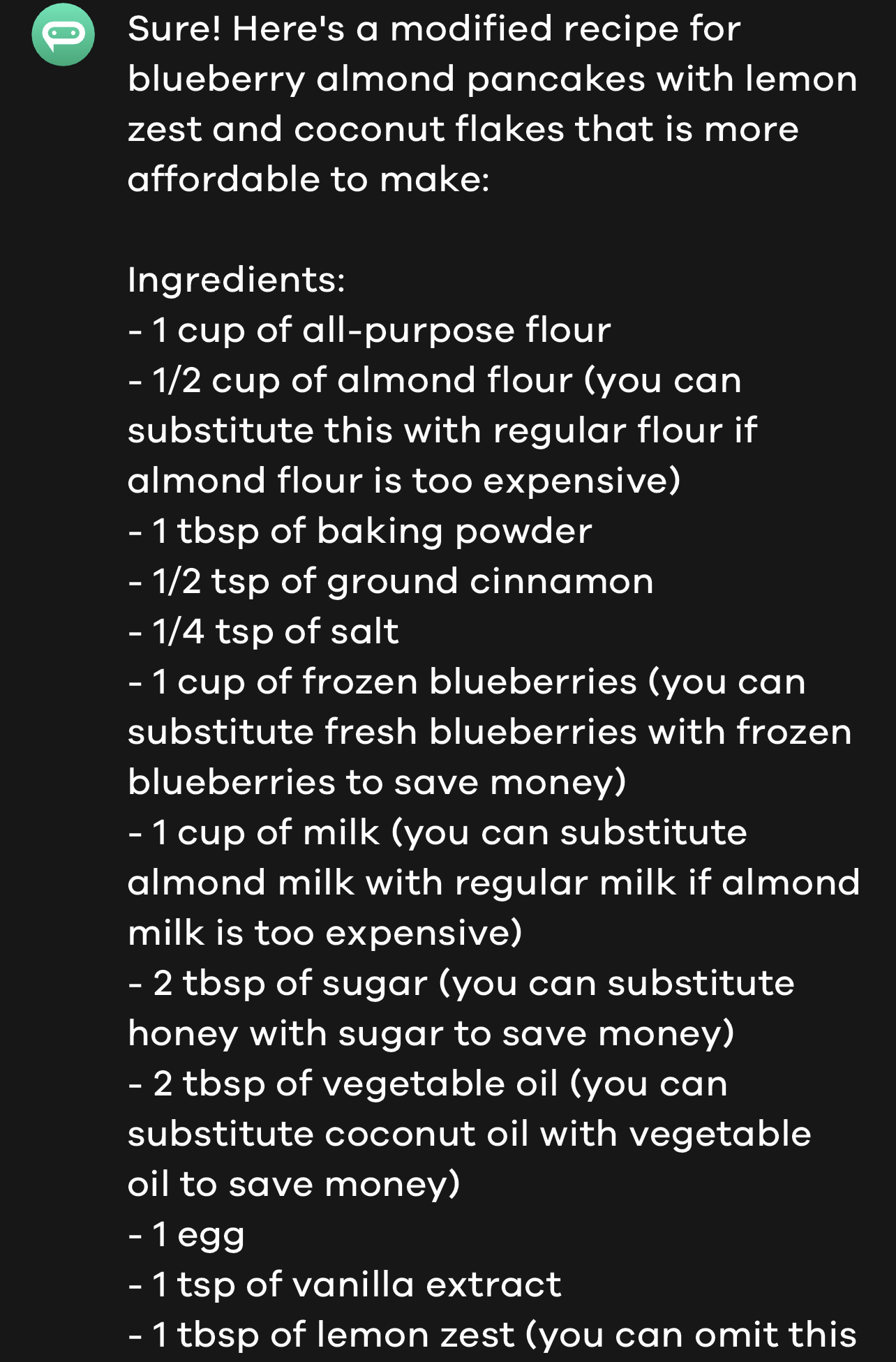
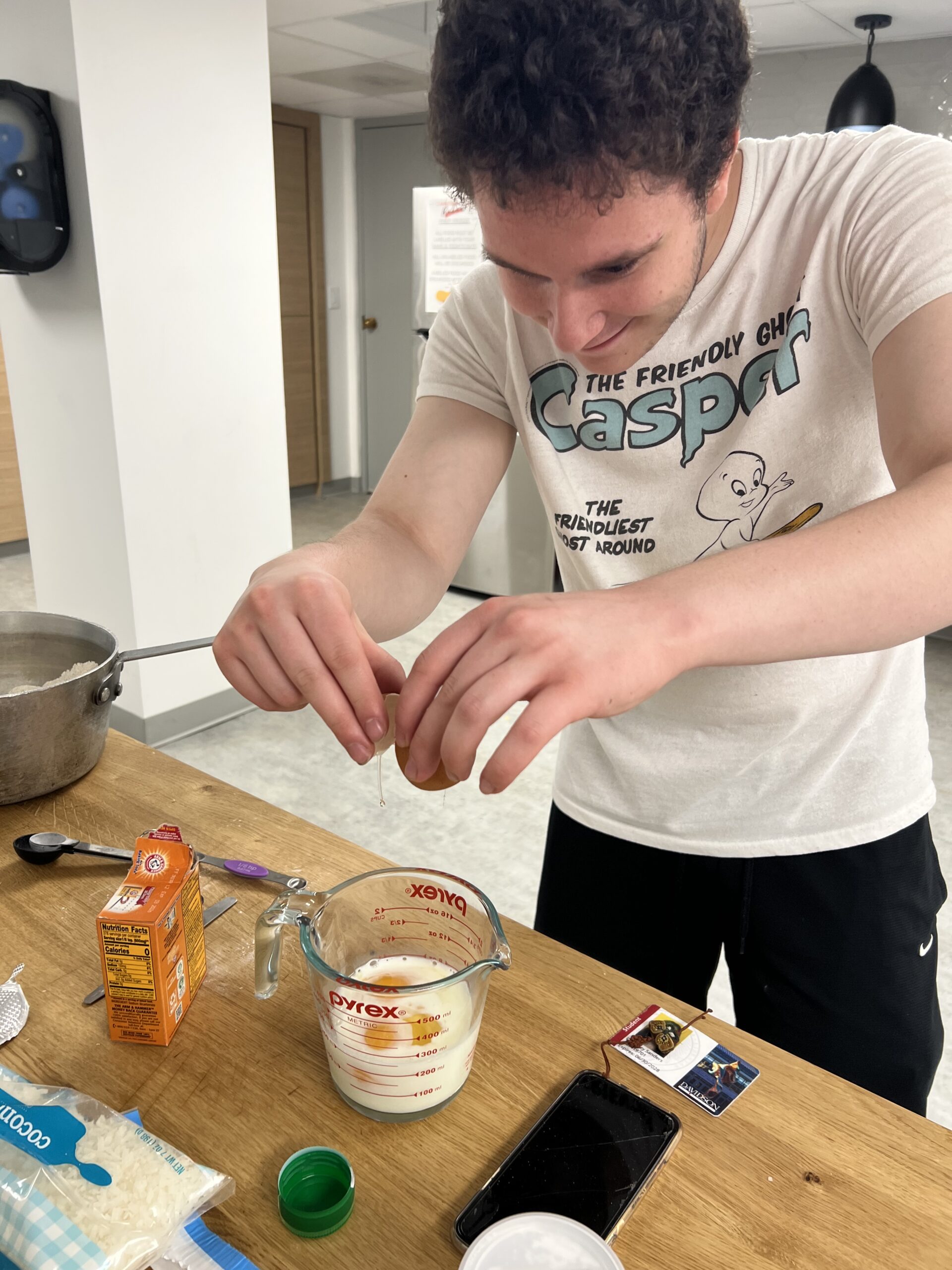
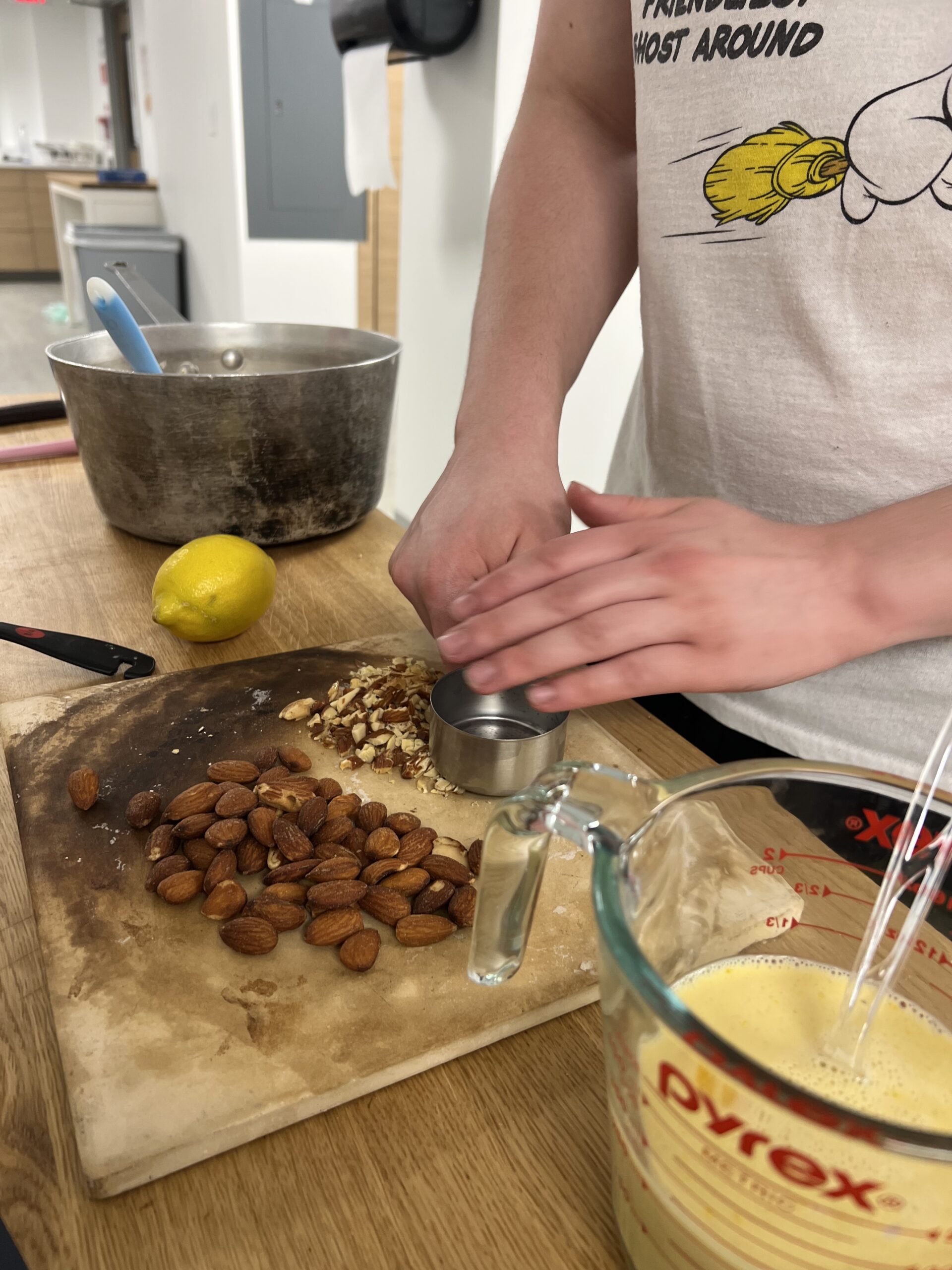
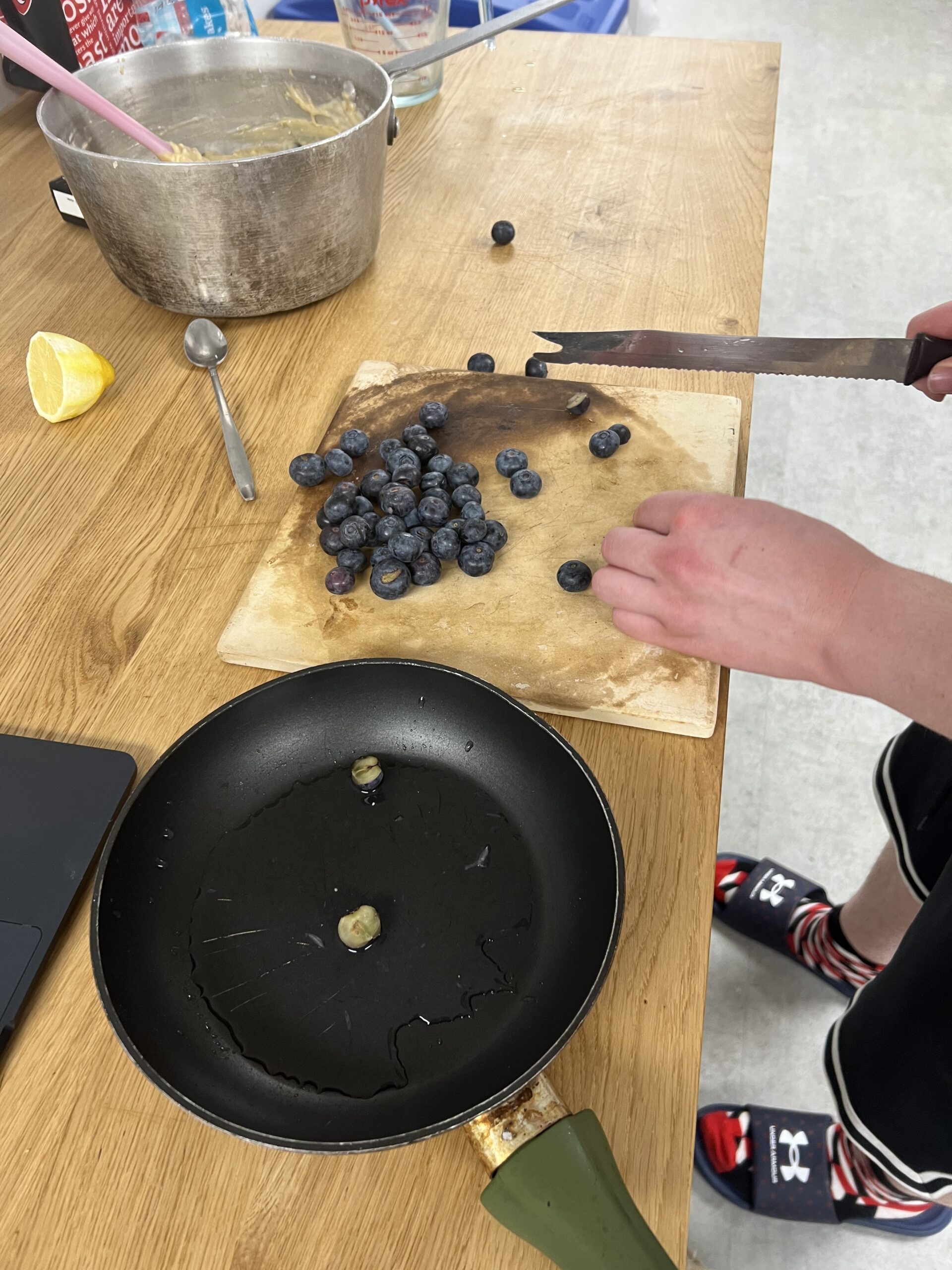
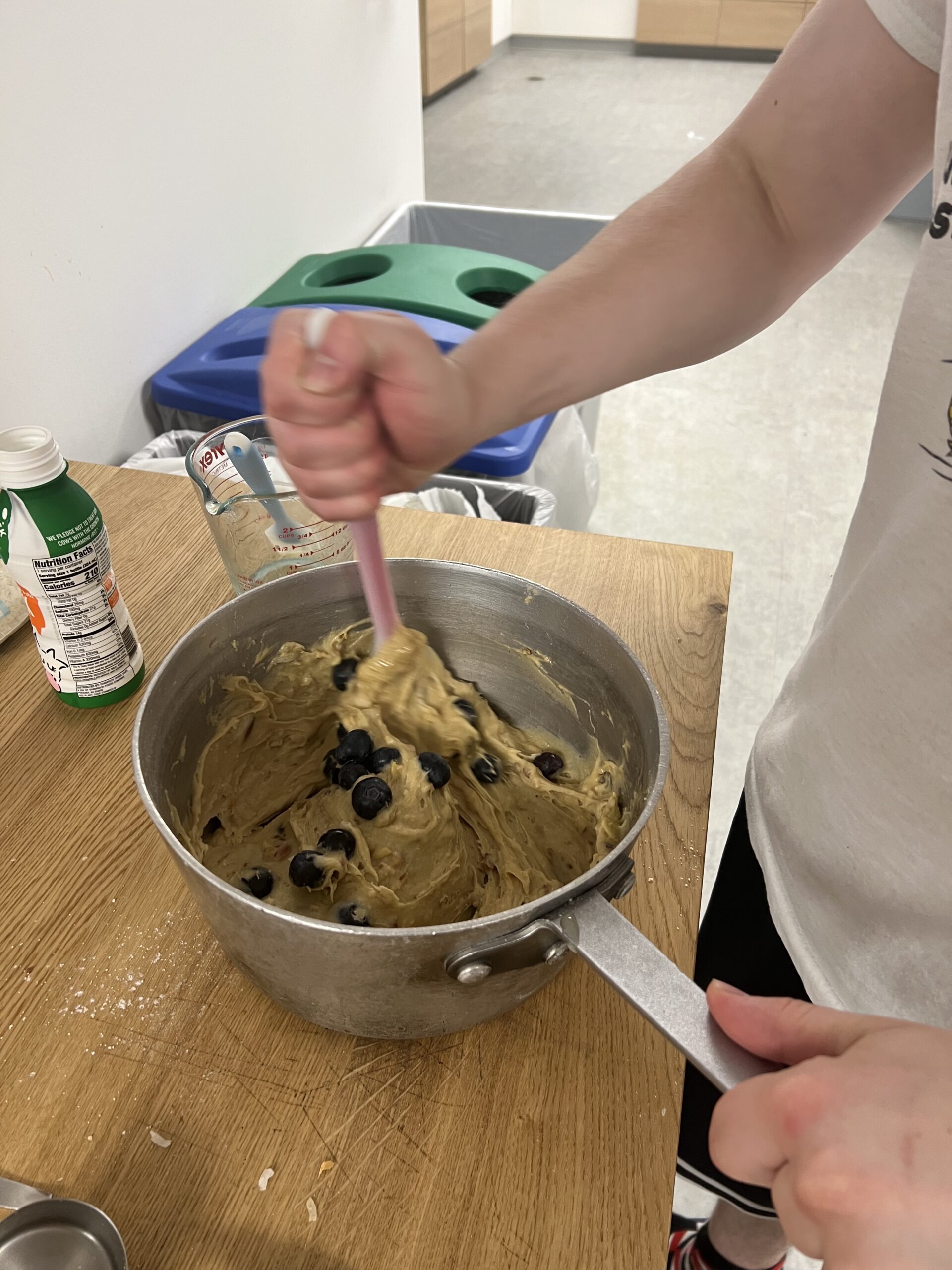
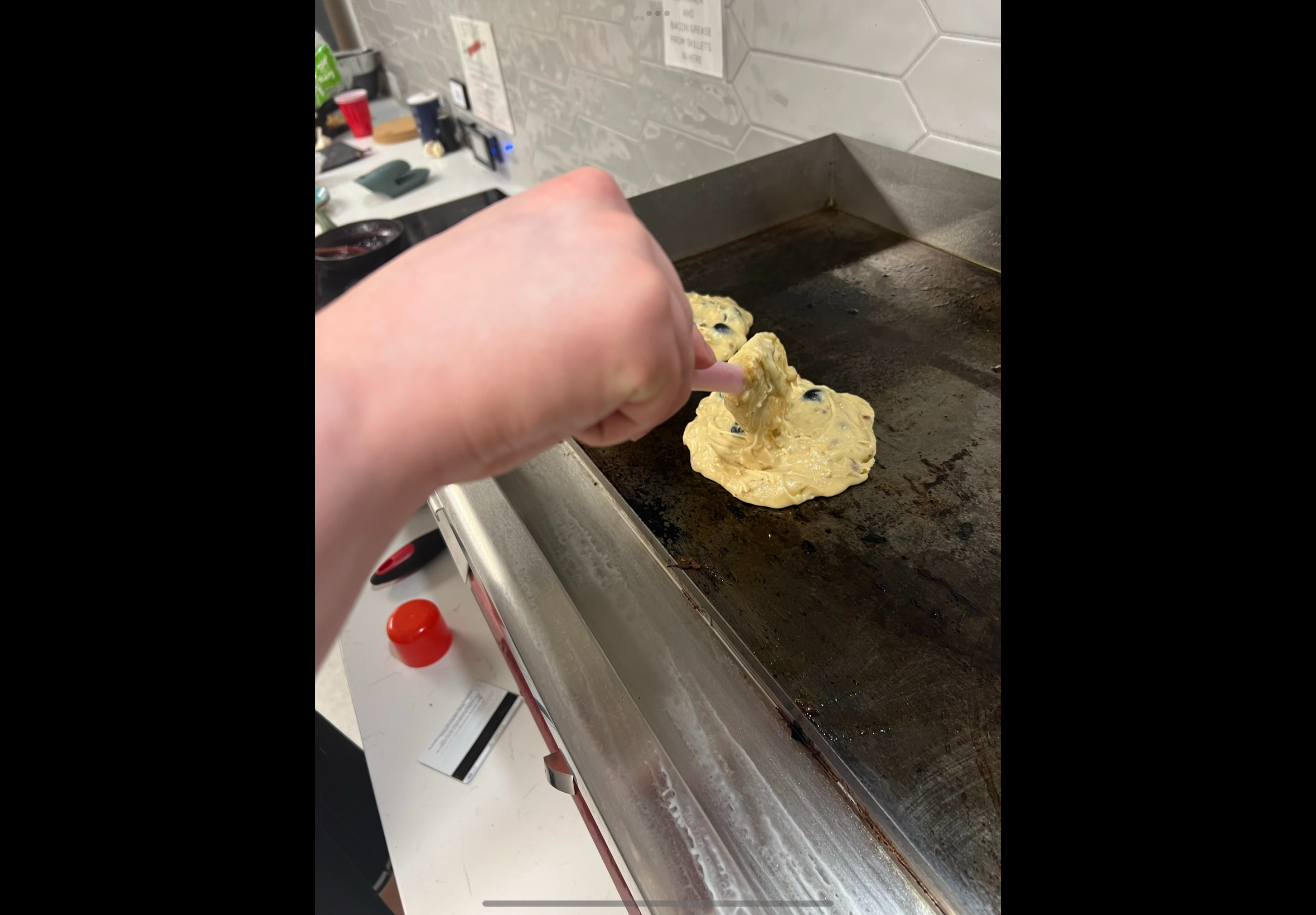
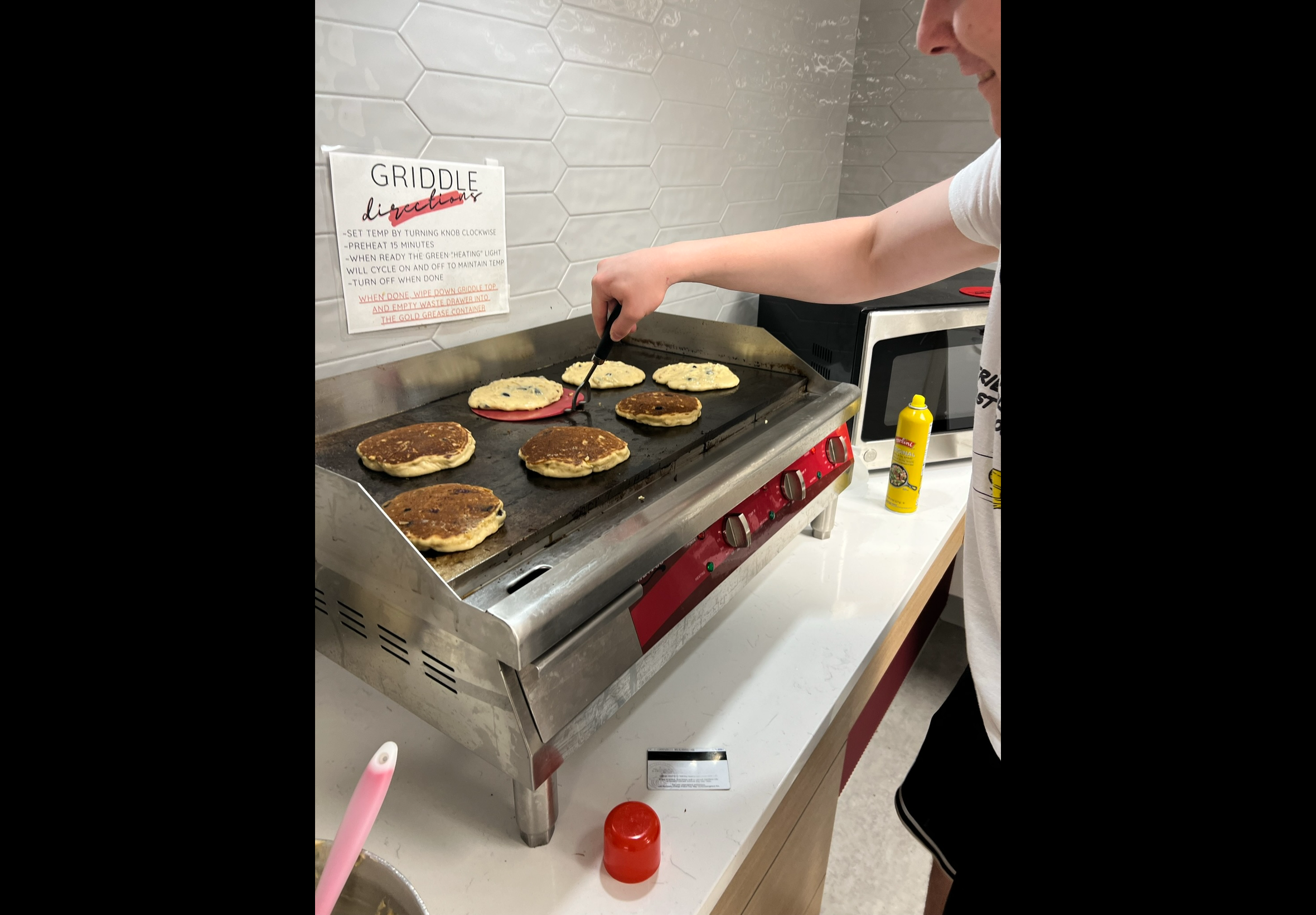
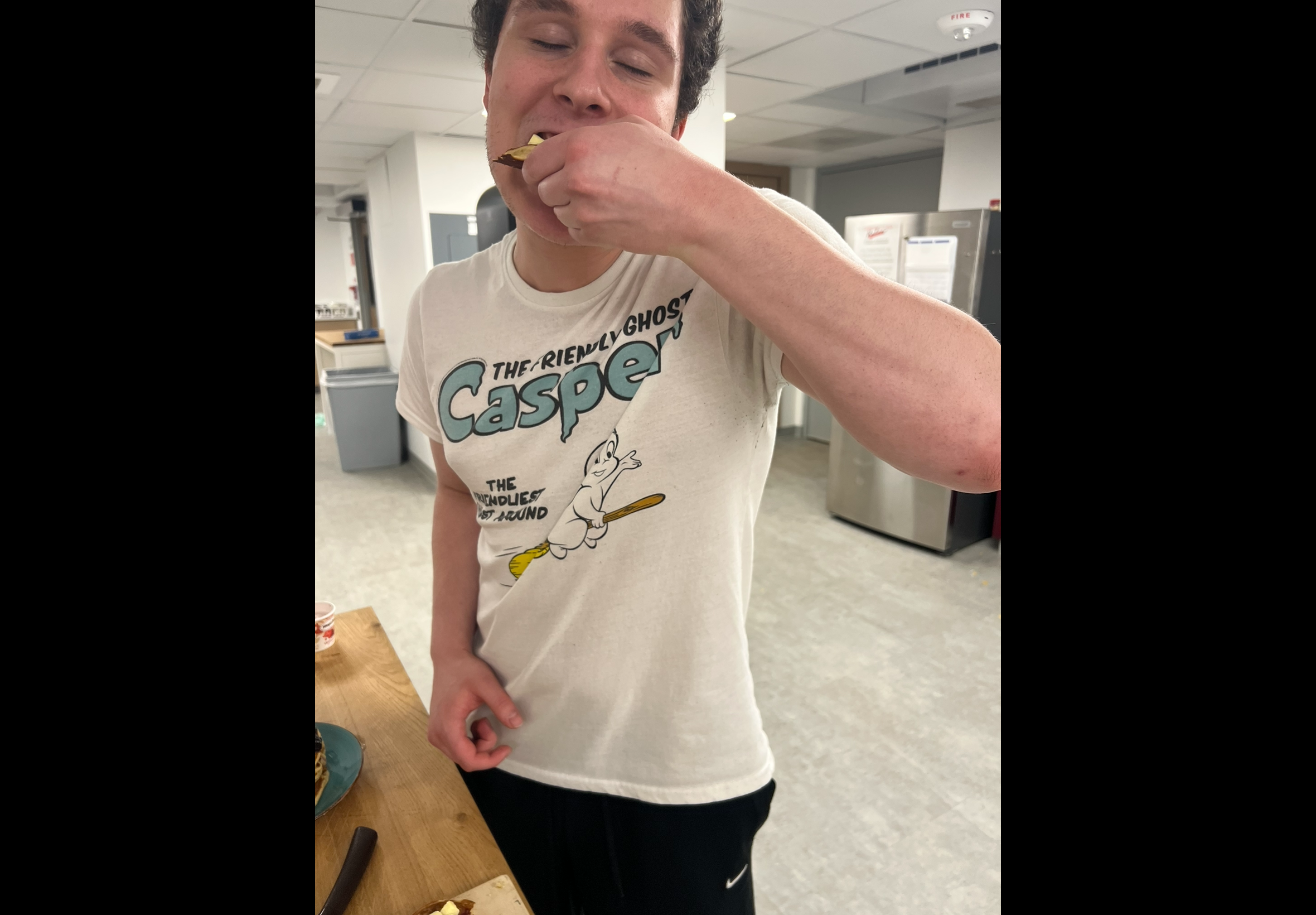
After thinking about all the different ways in which AI is changing the way we live our lives I was hungry! So I began a chat with an AI interface called ChatGPT, and asked for some yummy sounding recipes. Because of the AI’s endless database of recipes and ingredients the interface came up with the idea of making a blueberry almond pancake with lemon zest and coconut flakes. Initially this sounded delicious and I couldn’t wait to make it but after thinking about the cost of these ingredients I was discouraged. So I went back to ChatGPT and it was able to give me a modified recipe for these pancakes that was more affordable! I compared the two recipes and noticed that the algorithm was able to get rid of expensive items that were originally in the recipe, (things like ground cardamom, coconut oil, honey etc.) and replace them with cheaper alternative ingredients! Now I was left with no choice, I had to make these pancakes, the AI even gave me the instructions on how to make this created recipe. So I took a trip down to the grocery store and purchased all my affordable ingredients and got to cooking. Below is the process of me making this AI recipe and above is the final product! I’m pleased to report that ChatGPT has great taste when it comes to cooking as this recipe was not only affordable but delicious!